Fish and Seafood in Regional Eating
Protein sources and nutritional contributions
Seafood Heritage in Northern England
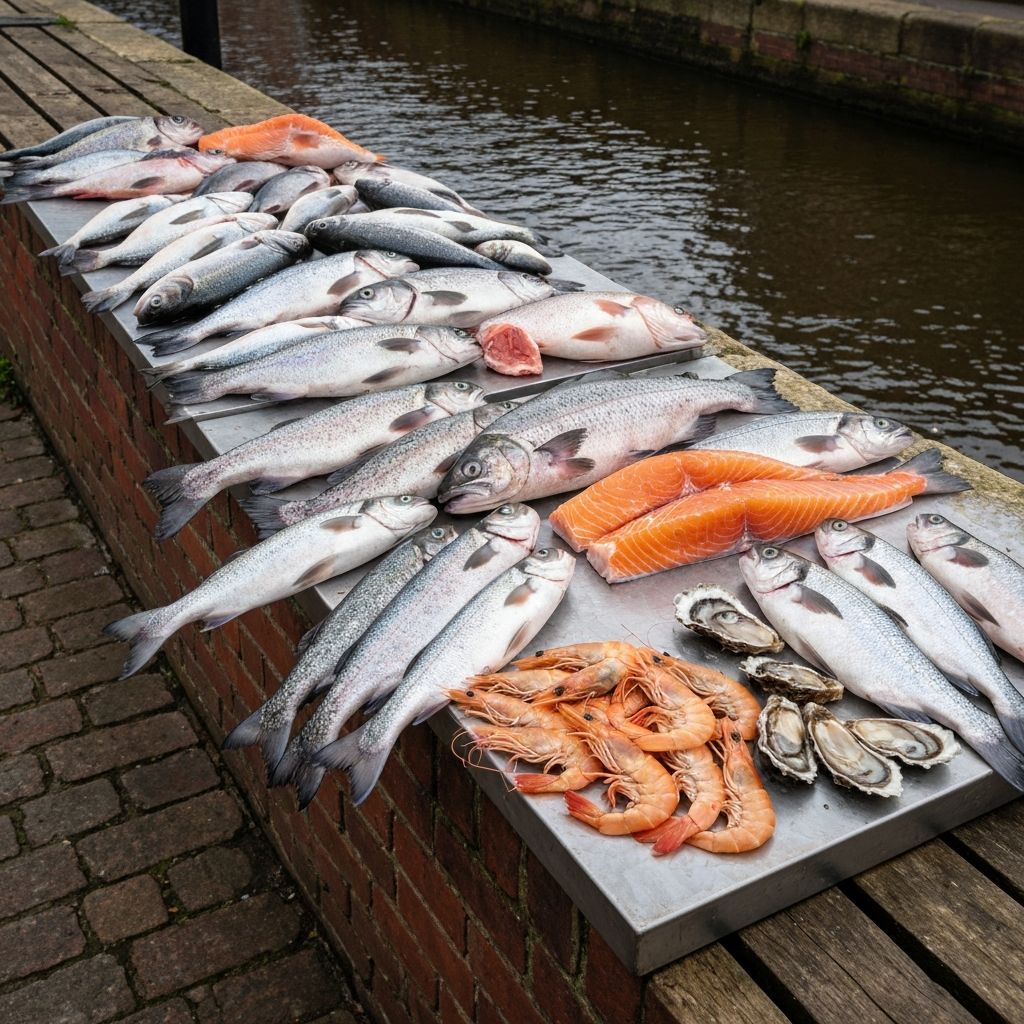
Coastal access has long made fish and seafood important to Northern English diets. Lancashire has fishing traditions dating centuries, providing fresh fish to inland populations like Manchester. Preserved fish products—salted, smoked, dried—allowed seafood consumption inland and through seasons when fresh fish was unavailable.
Local Fishing Traditions
Fish species common to Northern waters and traditional fisheries include:
- Cod: Historically central to commercial fishing, mild white fish
- Haddock: Firm white fish, traditional for fish and chips
- Herring: Oily fish, often preserved through smoking or pickling
- Mackerel: Rich oily fish, historically important preserved food
- Sole and Plaice: Flatfish with mild flavor
Nutritional Profile of Fish
Fish provides varied nutritional contributions:
- Protein: High-quality complete protein, easily digestible
- Fat: Varies by species. Oily fish contain omega-3 fatty acids (EPA and DHA).
- Micronutrients: Selenium, vitamin D, iodine, potassium, B vitamins
- Minerals: Calcium in canned fish (with bones), iron, phosphorus
Omega-3 Fatty Acids
Fatty fish are notable sources of omega-3 polyunsaturated fatty acids. Research suggests omega-3 fatty acids may be involved in various physiological processes. However, individual responses and optimal intake levels remain areas of ongoing research, and needs vary between individuals.
Oily vs. White Fish
Fish are categorized by fat content:
- Oily Fish: Mackerel, herring, salmon, sardines—contain higher fat and omega-3s
- White Fish: Cod, haddock, plaice—leaner, lower total fat content
- Both have nutritional value: Different compositions suit different preferences and nutritional needs
Traditional Fish Preparations
Northern England has distinctive fish traditions:
- Fish and Chips: Battered and fried fish with fried potatoes
- Smoked Fish: Kipper, smoked haddock, smoked mackerel
- Pickled Fish: Herring prepared in vinegar-based solutions
- Fish Soup/Stew: Traditional in fishing communities
- Baked Fish: Simple preparation of fresh fish
Preserved Fish Products
Preservation methods developed necessity for keeping fish edible without refrigeration:
- Smoking: Adds flavor, extends preservation
- Salting: Draws out water, inhibits bacterial growth
- Pickling: Vinegar provides acidic preservation environment
- Canning: Modern preservation technology
Mercury and Fish Consumption
Some fish accumulate mercury from environmental contamination. Larger predatory fish tend to have higher levels. Individual sensitivity to mercury varies. Most people eating varied fish types in typical amounts have no concerns, but certain populations (pregnant women, young children) may need specific guidance from healthcare providers.
Modern Fish Availability
Contemporary Northern diets include both traditional local fish and globally sourced seafood. Refrigeration and food transportation have changed what's available and when. Farm-raised and wild-caught fish represent different production systems with different characteristics.
Sustainability Considerations
Modern fishing faces sustainability challenges. Fish stocks and fishing practices are complex ecological and economic topics. Individual choices about seafood consumption involve considering nutritional value, sustainability, affordability, and personal preference.