Manchester Nutrition Insights
Exploring everyday nutrition science through the lens of Northern English food culture.
Introduction to Manchester Nutrition Insights
This educational resource provides a neutral, evidence-based overview of nutrition science with particular focus on the food patterns and staples common to Greater Manchester and Northern England. Our aim is to explore the historical, cultural, and nutritional context of everyday foods without offering personalized dietary advice or weight-related claims.
We examine regional agricultural heritage, traditional food preparation methods, and the relationship between everyday nutrition and physiological function. All information presented is for educational purposes only and should not be interpreted as medical guidance or individualized recommendations.
Everyday Energy Balance Principles
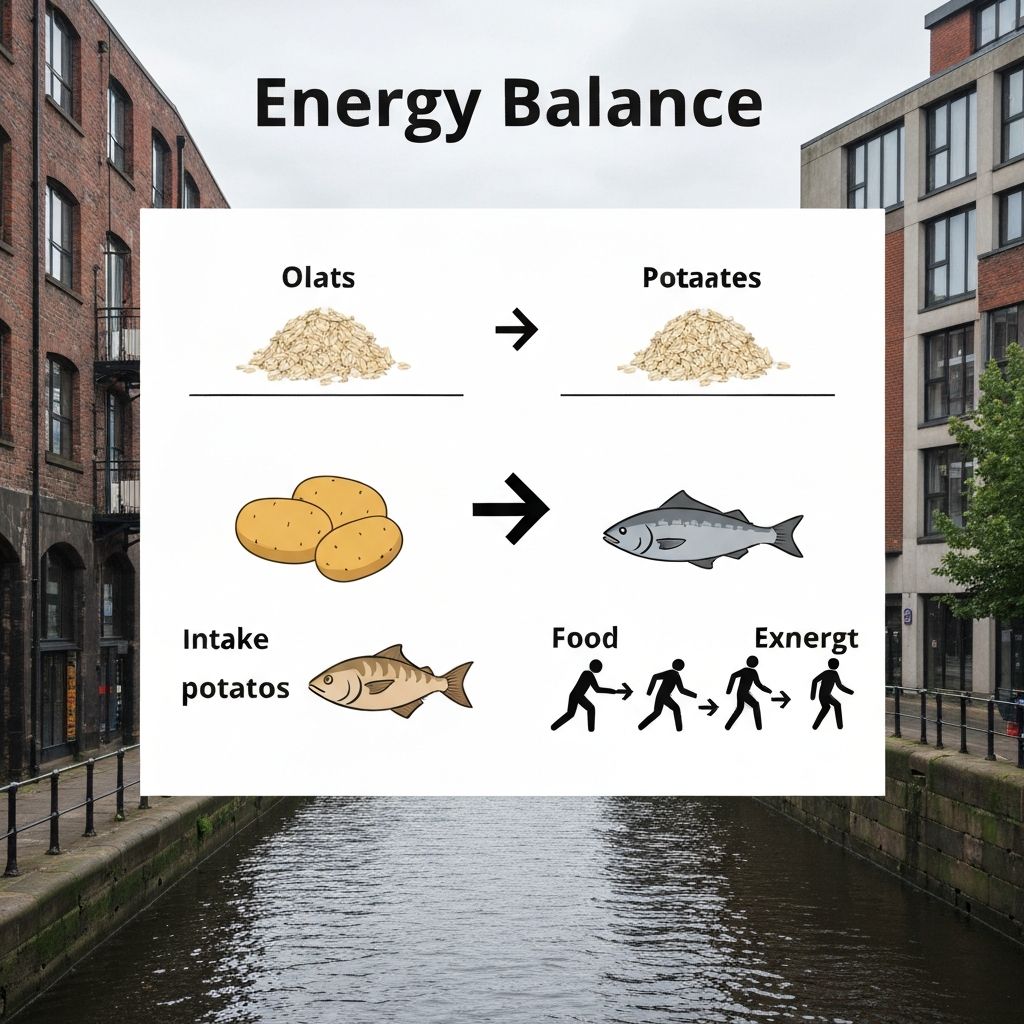
Energy balance is a fundamental concept in nutrition science—the relationship between energy intake through food and energy expenditure through daily activity and metabolic processes. This section provides clear explanation of these basic physiological principles.
Understanding the Basics
The human body requires energy for all functions: movement, temperature regulation, cellular processes, and maintaining organ function. Food provides this energy in the form of calories from macronutrients (carbohydrates, proteins, and fats).
Intake versus expenditure describes the comparison between calories consumed and calories burned. Understanding this concept helps explain why different individuals may experience different outcomes from similar dietary patterns—individual factors including age, metabolism, physical activity level, and genetics all influence this equation.
Northern English staples—including oats, potatoes, and fish—represent diverse energy sources that have historically sustained populations in this region. Each food contributes different macronutrients and micronutrients to the daily diet.
Northern Food Staples Overview
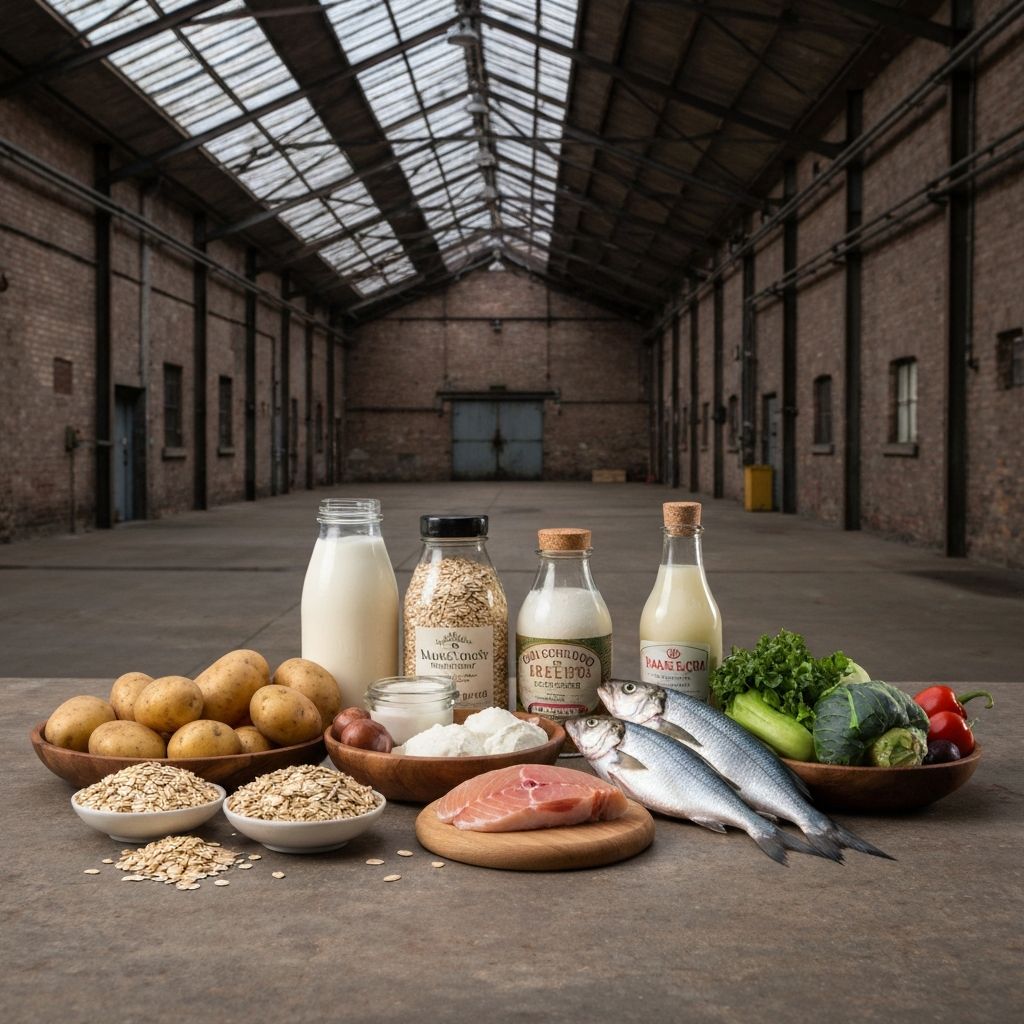
Northern England, particularly the Greater Manchester region, has a distinctive food heritage shaped by climate, agriculture, and industrial history. Key staples include:
Key Regional Foods
- Oats: A traditional grain crop suited to Northern climates, used in porridge, oatcakes, and various traditional dishes. Rich in fiber and complex carbohydrates.
- Potatoes: A fundamental crop in Northern agriculture, versatile in preparation, and historically important for food security. Good source of carbohydrates, vitamin C, and potassium.
- Fish and Seafood: From coastal Lancashire and preserved fish traditions, providing protein and omega-3 fatty acids.
- Dairy Products: Cheese and milk from Northern farms contribute protein and calcium to regional diets.
- Seasonal Vegetables: Root vegetables, cabbage, and other crops suited to Northern growing seasons provide fiber and micronutrients.
Portion and Frequency Concepts
Meal portions and eating frequency vary significantly across individuals and cultures. This section explains these concepts from a descriptive, nutritional perspective.
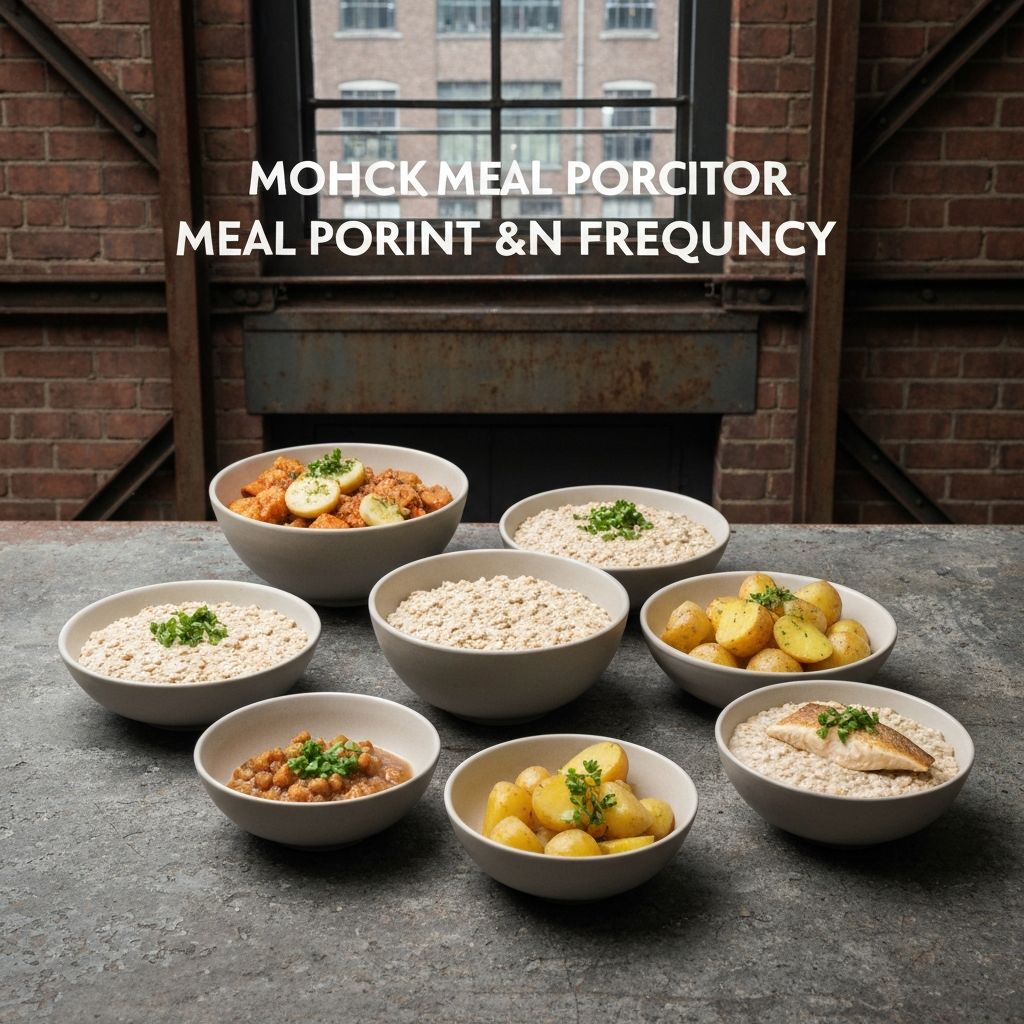
Traditional Northern meal patterns often reflected agricultural cycles and food preservation methods. Frequency of eating and portion sizes have changed over time due to changes in food availability, work patterns, and modern lifestyles.
Understanding typical portion sizes and meal frequencies helps contextualize dietary patterns in both historical and contemporary Greater Manchester. However, individual needs vary based on age, activity level, metabolism, and many other factors. No universal "correct" portion or frequency exists—these represent human variation rather than fixed rules.
Processing and Whole Foods
Food processing ranges from minimal (cleaning and basic preparation) to extensive (industrial manufacturing with many additives and transformations). Understanding this spectrum is important context for nutritional science.
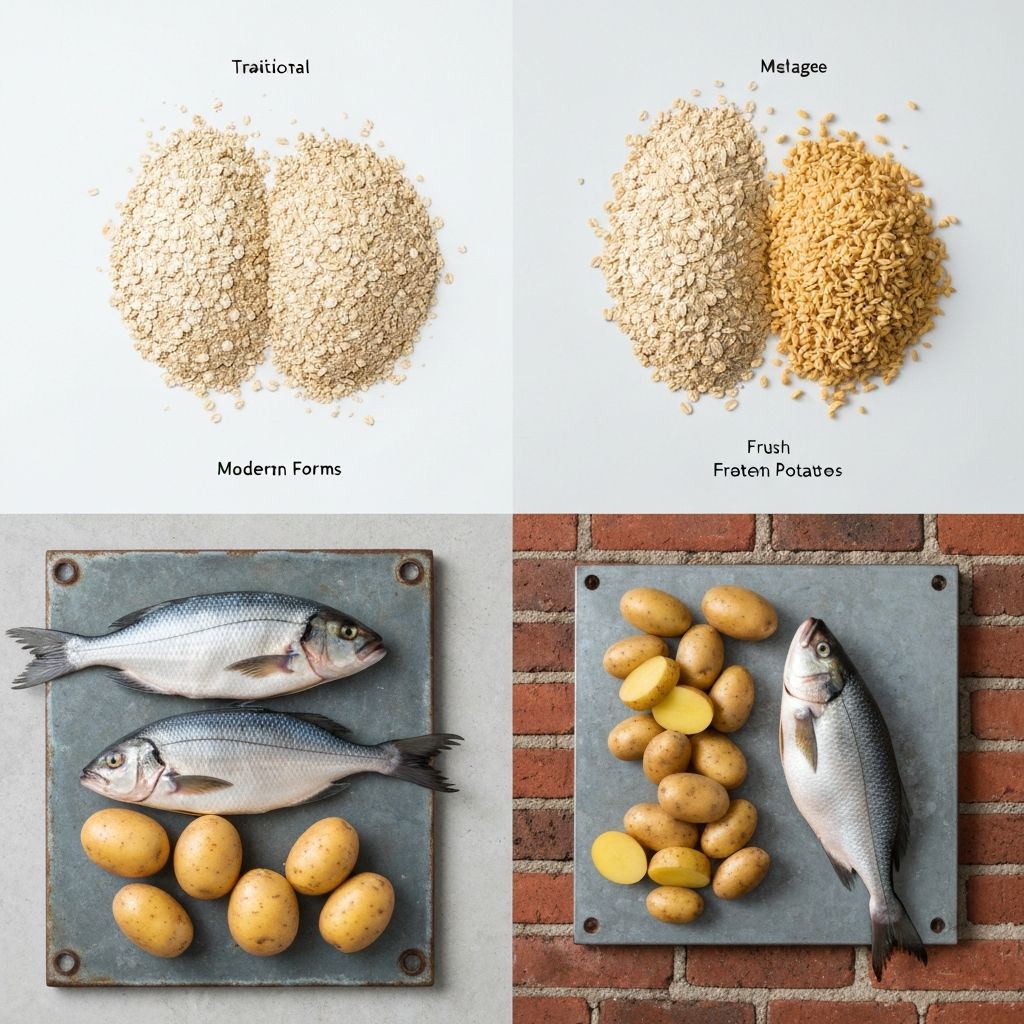
Traditional Northern foods often underwent simple processing methods—milling grains into flour, preserving fish through salting, preparing vegetables by cooking. Modern food systems include both minimally processed foods and industrially manufactured products.
Both whole and processed foods can be part of everyday nutrition. The question of how processing affects food composition and nutritional value is a legitimate topic in food science, with no universal answer—different processing methods have different effects on different nutrients in different foods.
Hydration in Urban Lifestyle
Water and fluid intake play essential roles in physiological function. Hydration needs vary based on activity level, climate, age, and individual factors.

In contemporary Greater Manchester, hydration patterns reflect both traditional beverage consumption (tea has deep cultural significance in Northern England) and modern beverage choices. Understanding fluid needs and roles in metabolic processes provides context for everyday dietary choices.
Individual hydration needs differ based on numerous factors including activity level, environmental temperature, metabolism, and health status. Monitoring personal hydration markers (thirst, urine color) provides individual-level feedback that is more meaningful than universal guidelines.
Greater Manchester Dietary Trends
Regional dietary patterns in Greater Manchester reflect complex interactions of history, culture, economics, and individual choice. Public health surveys and regional studies provide descriptive data on what residents actually eat, without implying these patterns are optimal or universal.
- Traditional dishes continue alongside globalized food availability
- Demographic diversity has introduced varied culinary traditions
- Work patterns and urban lifestyles influence meal timing and food choices
- Regional food heritage remains culturally significant
- Individual and family food preferences drive actual consumption patterns
Understanding these trends provides context for nutrition science without suggesting particular dietary patterns are universally correct or beneficial.
Common Nutrition Questions Clarified
Featured Educational Resources
Explore detailed articles on specific nutrition topics and regional food traditions.
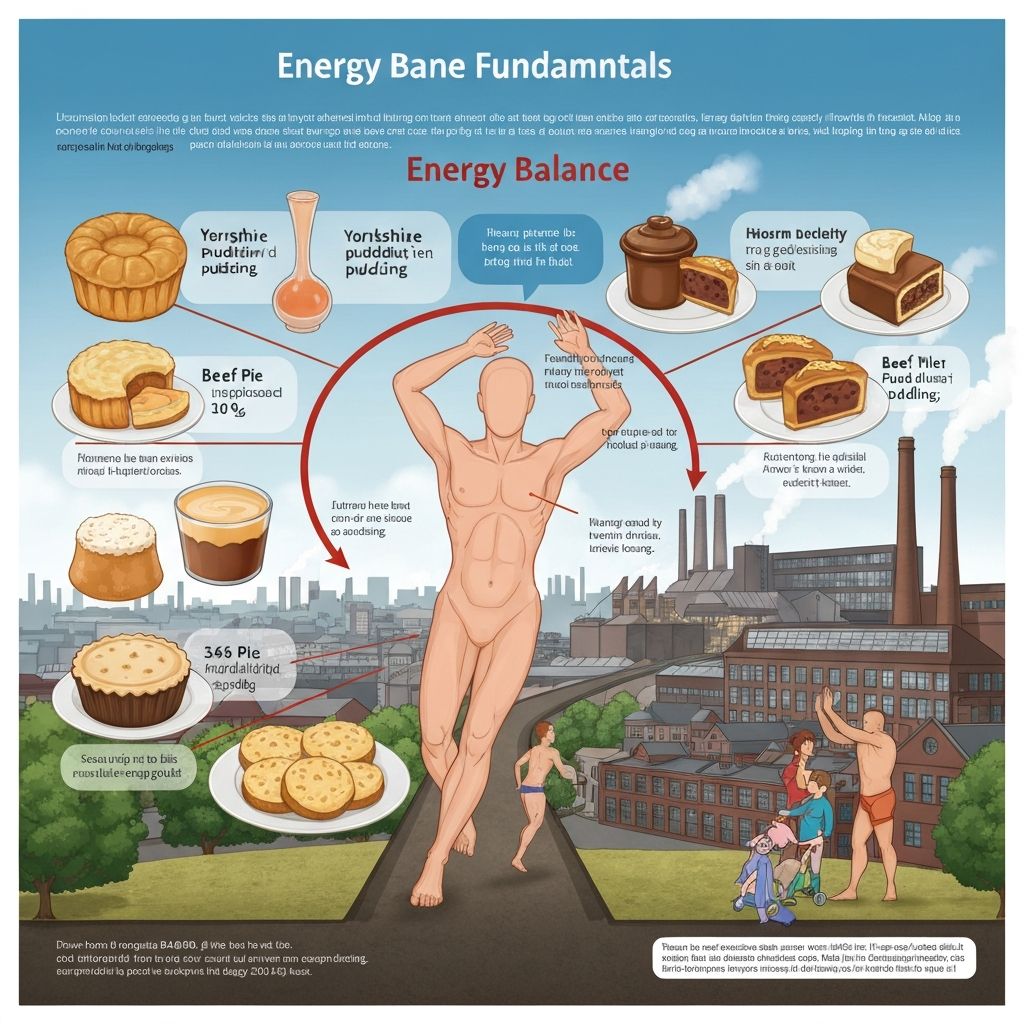
Energy Balance Fundamentals
A deeper look at physiological energy processes and how intake and expenditure interact.
Read Article →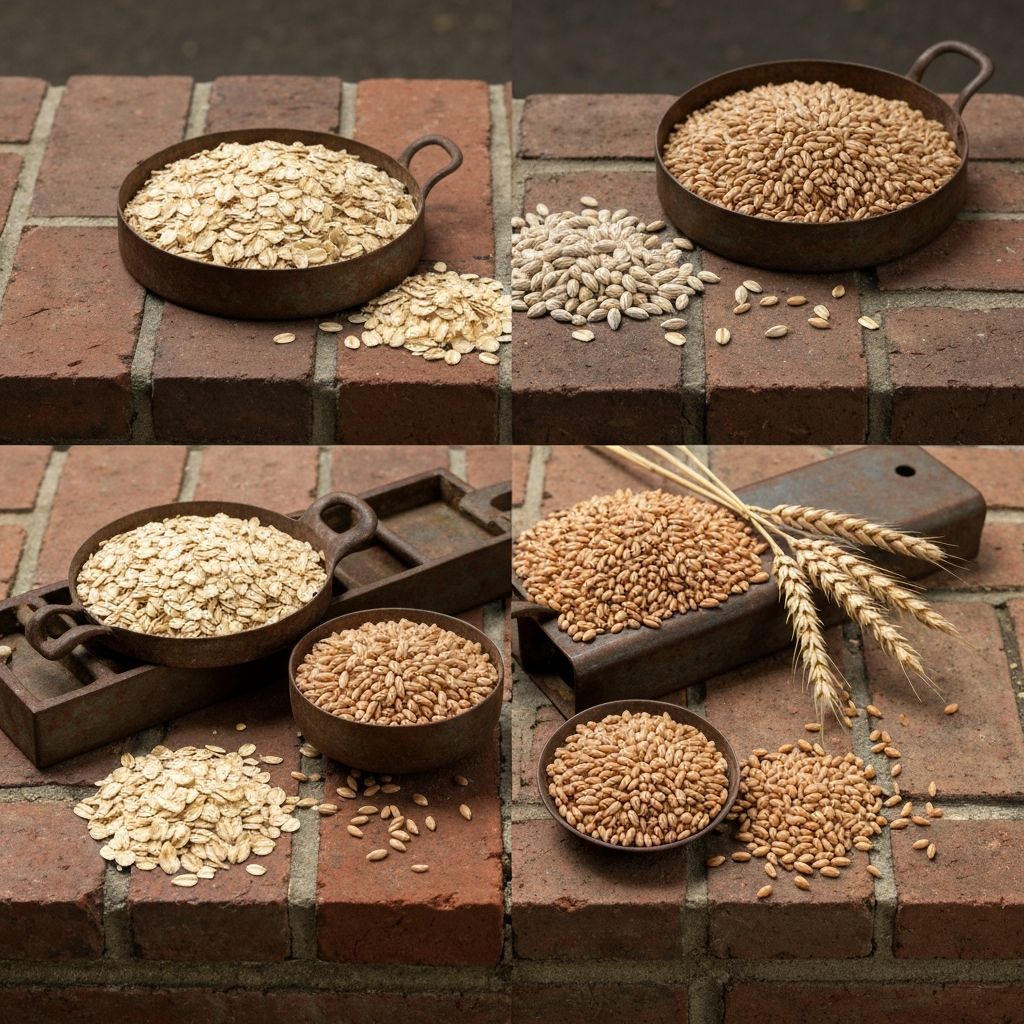
Oats and Grains in Northern Diets
Historical and nutritional role of grain crops in Northern England.
Read Article →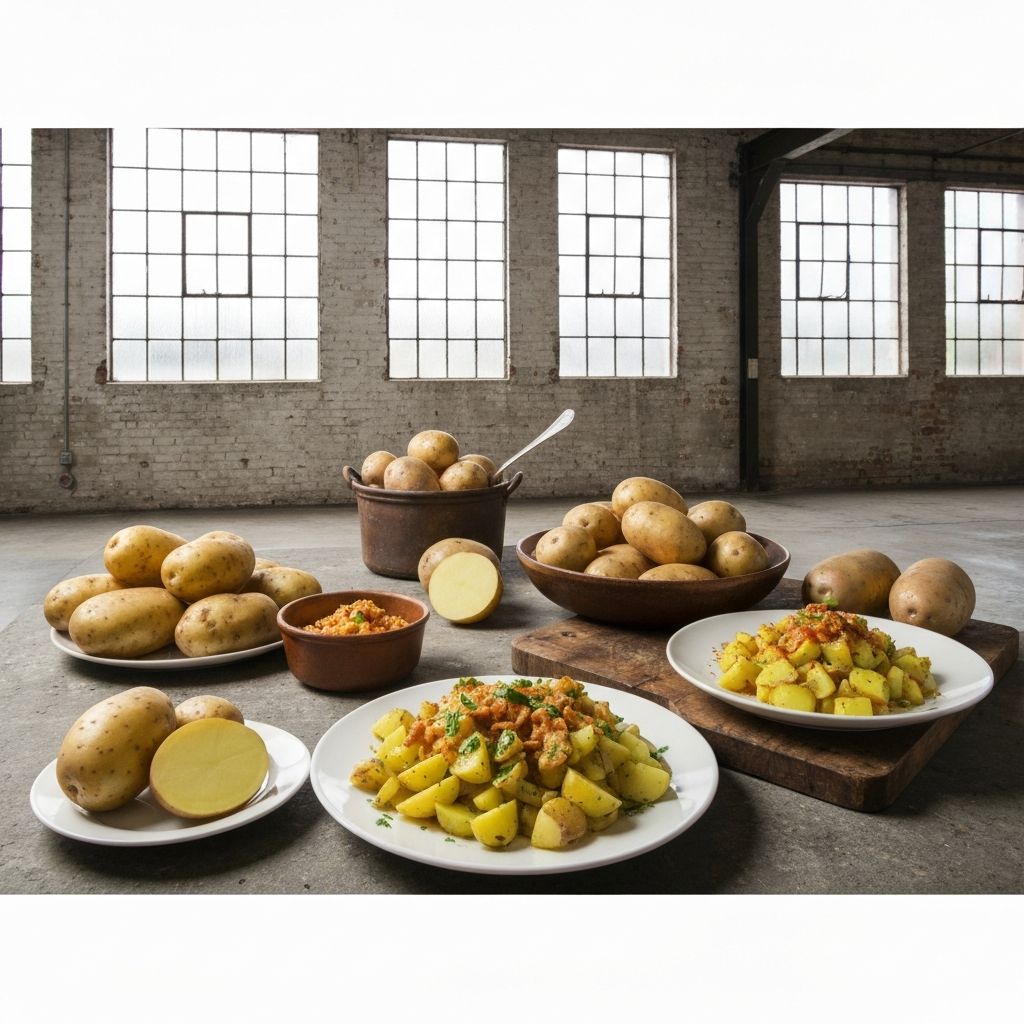
Potatoes: Nutritional Perspective
Historical context and modern nutritional science of regional staple crops.
Read Article →
Fish and Seafood in Regional Eating
Protein sources and nutritional contributions of Northern sea traditions.
Read Article →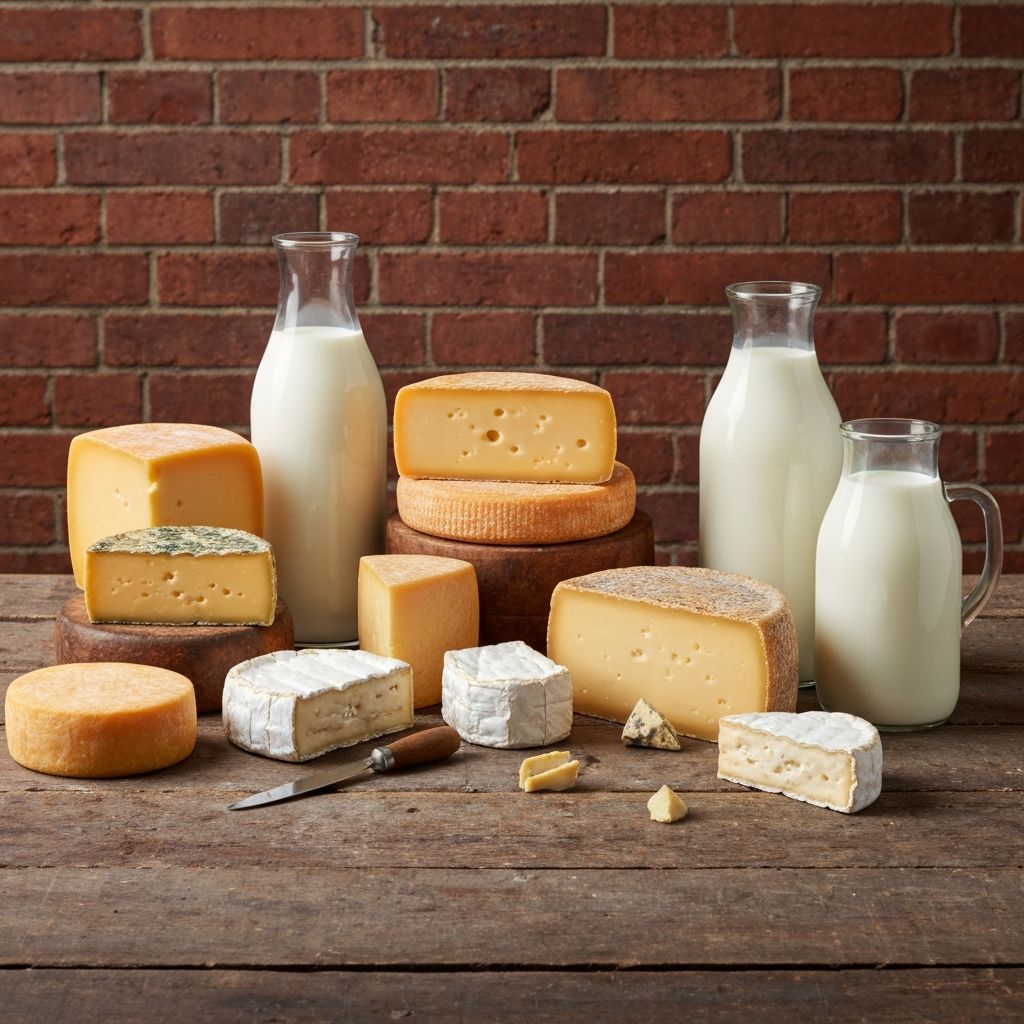
Dairy Traditions in the North
Cheese, milk, and dairy's role in regional food culture and nutrition.
Read Article →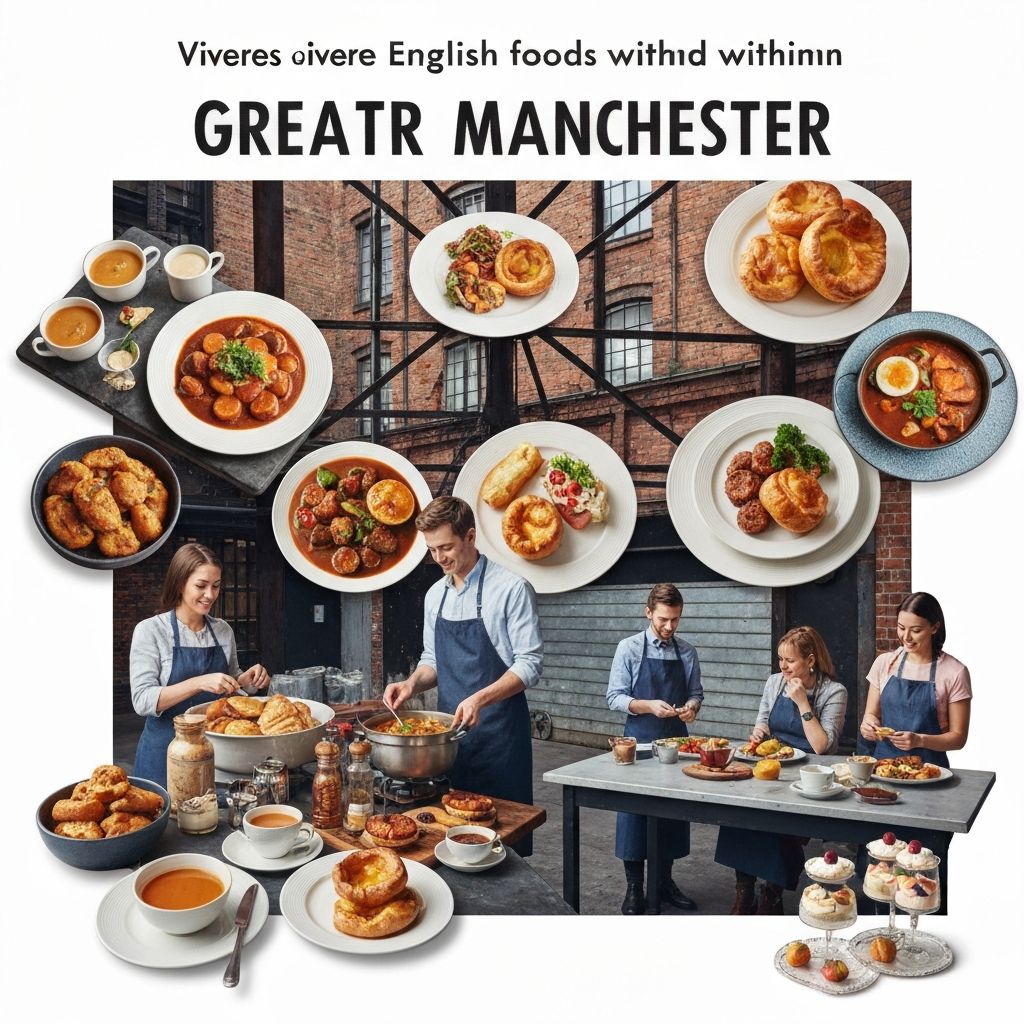
Urban Dietary Patterns in Greater Manchester
Contemporary food choices and regional trends in modern Manchester.
Read Article →